+256 708 100 660 info@gorilla-trekking-trips.com

Amazing Facts about Mountain Gorillas

Discover amazing mountain gorilla facts, current gorilla trekking permit prices in Uganda, Rwanda and Congo, and a complete guide to gorilla trekking in Bwindi and the Virunga Conservation Area. Learn everything about mountain gorillas in Africa.

amazing-facts-about-mountain-gorillas

Mountain Gorilla Facts & Gorilla Trekking Guide in Uganda, Rwanda and Congo

Mountain gorillas are among the most fascinating and endangered primates on Earth. These rare great apes are found only in East and Central Africa, specifically in the Virunga Conservation Area and Bwindi Impenetrable National Park in Uganda.

If you are planning a mountain gorilla trekking safari in Uganda, Rwanda or Congo, this detailed guide covers updated gorilla permit prices, interesting mountain gorilla facts, habitat information, and everything you need to know for a life-changing experience.

Where Are Mountain Gorillas Found in Africa?

Mountain gorillas live in only two regions in the world:

1. The Virunga Conservation Area

This transboundary conservation region includes three national parks:

These parks lie along the slopes of the Virunga Massif Volcanoes and offer some of the best gorilla trekking experiences in Africa.

2. Bwindi Impenetrable National Park (Uganda)

Located in southwestern Uganda, Bwindi Impenetrable National Park is home to nearly half of the world’s mountain gorilla population and is one of the most popular destinations for affordable gorilla trekking in Uganda.

Updated Gorilla Trekking Permit Prices (2026)

Gorilla trekking permit prices vary by country:

  • Uganda: USD $800 per person
  • Rwanda: USD $1,500 per person
  • Congo (DRC): USD $400 per person

Note: Permit prices are subject to change by wildlife authorities. Uganda remains one of the best destinations for affordable mountain gorilla trekking safaris.

Each permit allows you to spend strictly one hour with a habituated gorilla family after locating them.

Interesting Mountain Gorilla Facts

1. Global Population of Mountain Gorillas

There are slightly over 1,000 mountain gorillas remaining in the wild today. Thanks to conservation efforts, their numbers have increased in recent years, making them a rare conservation success story.

2. Mountain Gorillas Share Over 98% DNA With Humans

Mountain gorillas are among the closest relatives to humans, sharing more than 98% of our DNA. This explains their intelligence, emotional behavior, and complex social structures.

3. Mountain Gorillas Are the Largest Primates in the World

Mountain gorillas are the largest living primates.

Adult males (silverbacks) weigh up to 180–220 kilograms

Females weigh about 70–100 kilograms

The heaviest recorded silverback weighed approximately 225 kilograms

4. Why Are They Called Silverbacks?

As male gorillas mature (around 12–15 years), the hair on their backs turns silver-grey. These dominant adult males are known as silverbacks, and they lead the family groups.

5. Gorilla Family Structure and Leadership

Mountain gorillas live in stable groups of 5 to 30 members, led by a dominant silverback.

The silverback:

  • Decides daily movements
  • Protects the group from threats
  • Mediates conflicts
  • Defends females and infants

Some gorilla groups stay together for over 20 years.

6. Baby Mountain Gorillas

Newborn mountain gorillas:

  • Weigh about 4 pounds (1.8 kg)
  • Are very fragile at birth
  • Cling to their mother’s back until about 3–4 years

They feed on their mother’s milk until they gradually transition to vegetation.

Females:

  • Begin reproducing at around 10 years
  • Have a gestation period of 8.5 months
  • Give birth to 2–6 offspring in a lifetime
  • Have no specific mating season

7. Mountain Gorillas Cannot Survive in Captivity

Unlike lowland gorillas seen in zoos, mountain gorillas do not survive well in captivity. They require high-altitude, cool, and forested mountain ecosystems to thrive.

8. What Do Mountain Gorillas Eat?

Mountain gorillas are primarily herbivores.

Their diet includes:

  • Leaves
  • Shoots
  • Fruits
  • Stems
  • Bark

Adult males can consume up to 49 pounds (22 kg) of vegetation per day.

They rarely need to drink water because over 90% of their diet contains sufficient moisture.

9. Daily Life of Mountain Gorillas

A typical day:

  • Wake up around 6:00 AM
  • Begin foraging for food
  • Take a midday rest
  • Continue feeding in the afternoon
  • Build fresh nests around 6:00 PM

Gorillas build new nests every evening using leaves and branches.

10. Are Mountain Gorillas Aggressive?

Mountain gorillas are naturally shy and gentle. However, when threatened, they may display defensive behaviors such as:

  • Chest beating
  • Roaring
  • Grunting
  • Tearing vegetation

These displays are usually meant to scare away threats rather than attack.

11. Mountain Gorillas Use Tools

Research has shown that mountain gorillas can use simple tools like stems and branches to extract insects or test water depth.

12. Lifespan of Mountain Gorillas

Mountain gorillas can live up to 40–50 years in the wild, though survival depends on environmental conditions and protection from threats.

13. Conservation Status

Mountain gorillas were once critically endangered. Today, due to strong conservation programs, anti-poaching efforts, and regulated gorilla tourism, their population has improved.

However, they remain threatened by:

  • Habitat encroachment
  • Poaching
  • Human diseases
  • Political instability in some regions

Responsible gorilla trekking safaris in Uganda, Rwanda, and Congo play a vital role in funding conservation.

Gorilla Trekking in Uganda, Rwanda and Congo

What Is Gorilla Trekking?

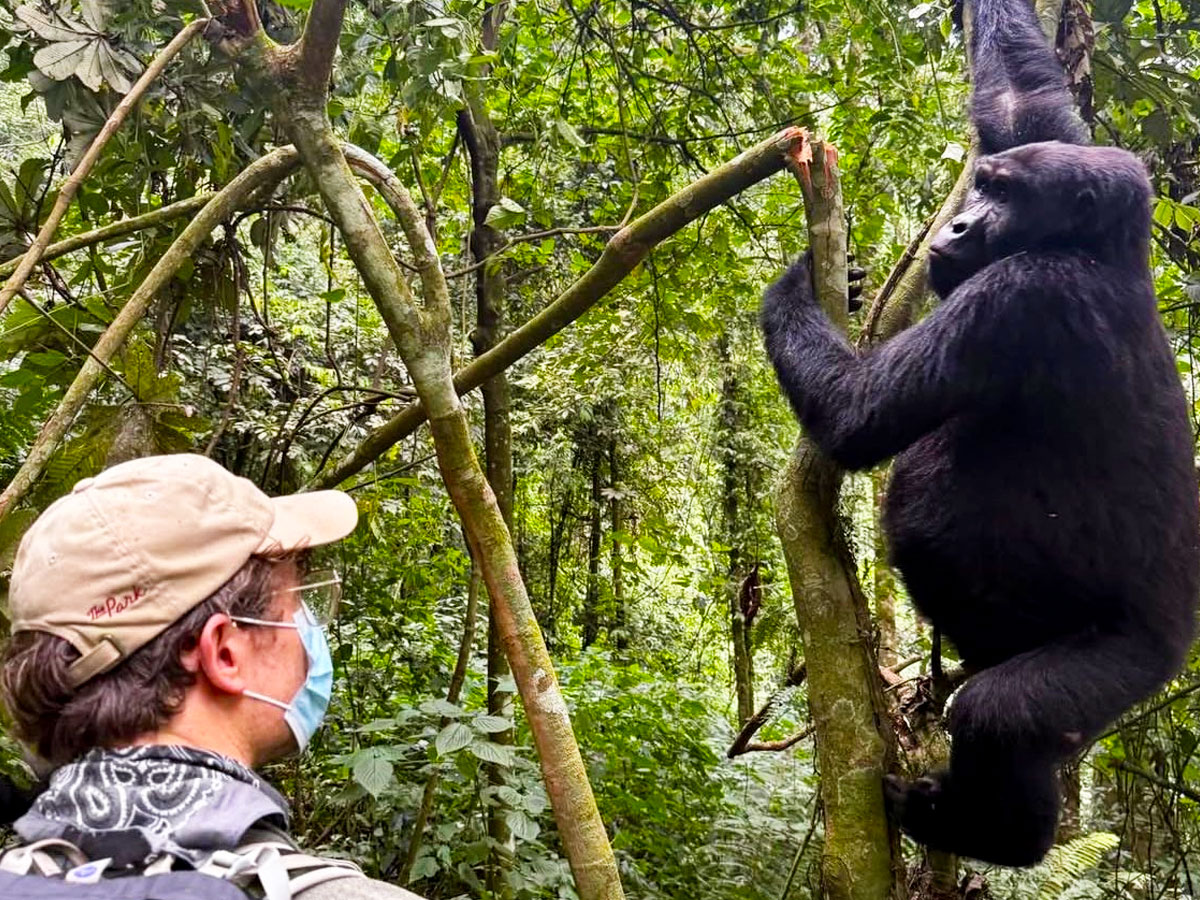
Gorilla trekking is a guided forest hike through mountainous terrain to locate a habituated gorilla family.

It typically takes:

  • 2–6 hours depending on location
  • Strictly 1 hour with the gorillas once found

Treks begin early in the morning with a briefing by park rangers.

Best Destination for Gorilla Trekking in East Africa

  • Uganda – Best value for money and highest gorilla population
  • RwandaLuxury gorilla trekking experience
  • Congo – Most affordable permit but dependent on security conditions

If you are searching for:

  • Affordable gorilla trekking in Uganda
  • Luxury gorilla trekking in Rwanda
  • Budget gorilla safari in Congo
  • Best place to see mountain gorillas in Africa
  • Gorilla trekking permit cost comparison

Uganda remains one of the most balanced options for price, accessibility, and experience.

Why Mountain Gorilla Trekking Is Worth It

Meeting mountain gorillas in their natural habitat is often described as:

  • Emotional
  • Humbling
  • Life-changing
  • A once-in-a-lifetime African safari experience

Very few wildlife encounters compare to sitting just meters away from a wild silverback and his family.

Mountain Gorilla Safari in Africa

Mountain gorillas are unique, intelligent, emotional, and incredibly rare. Found only in the Virunga region and Bwindi forest, they represent one of Africa’s greatest conservation achievements.

Whether you choose Uganda, Rwanda, or Congo, a mountain gorilla trekking safari in Africa remains one of the most unforgettable wildlife adventures in the world.

If you are planning a gorilla safari, ensure you:

  • Book your permit in advance
  • Follow all trekking rules
  • Travel with a licensed tour operator
  • Respect wildlife and conservation guidelines

Seeing mountain gorillas in the wild is not just tourism — it is supporting the survival of one of the world’s most endangered species.

Got a Question?

Do not hesitage to give us a call. We are an expert team and we are happy to talk to you.

+256 708 100 660

info@gorilla-trekking-trips.com

Why Book With Us?

  • No-hassle best price guarantee
  • Real Life Experiences
  • Tailor Made Itineraries
  • Comfortable Stay
  • Professional Team
  • Customer care available 24/7